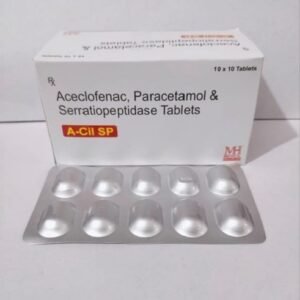
Afeb 100/4 MG Tablet 10
₹121.88
Quick fact
Afeb is a tablet used for pain and inflammation associated with muscle spasm. It may also ease muscle stiffness and help improve movement.
Uses
What is Afeb 100/4 MG Tablet 10 & Important Details
Afeb combines a pain-relieving medicine with a muscle relaxant. It is used for pain due to muscle spasm and inflammatory conditions affecting muscles.
- It is a tablet supplied in a pack of 10 tablets.
- Its active ingredients are aceclofenac and thiocolchicoside.
- The available information does not establish its prescription status.
How does Afeb 100/4 MG Tablet 10 work (mechanism of action)?
Afeb combines ingredients that act on pain and muscle spasm. The descriptions explain their actions in these ways:
- Aceclofenac blocks the release of chemical messengers that cause pain and inflammation.
- Thiocolchicoside acts on centres in the brain and spinal cord to relieve muscle stiffness or spasm and improve movement.
Specialized or Off-Label Uses of Afeb 100/4 MG Tablet 10
No uses outside pain and inflammatory conditions associated with muscle spasm are established in the available information.
Conditions That Afeb 100/4 MG Tablet 10 Will Not Treat
The available information supports use for muscle-related pain and spasm only; it does not establish Afeb as a treatment for other conditions.
Benefits
What are the benefits of taking Afeb 100/4 MG Tablet 10
Afeb is used to relieve pain, inflammation and swelling in conditions affecting muscles.
- It can relieve muscle stiffness or spasm.
- By easing spasm, it may improve muscle movement and discomfort associated with muscle spasms.
Side Effects
What are the most common side effects of Afeb 100/4 MG Tablet 10?
Common side effects listed for Afeb include stomach and bowel symptoms. These may bother some people or persist.
- Nausea, vomiting, heartburn and stomach pain.
- Loss of appetite and diarrhoea.
Tell your doctor if these effects bother you or do not go away.
What are the serious side effects of Afeb 100/4 MG Tablet 10?
Some symptoms may signal a serious problem and need prompt medical attention.
- Severe stomach pain, black or tarry stools, or vomiting blood may indicate stomach bleeding.
- Reduced urine output, swelling or unusual fatigue may signal kidney problems.
- Yellowing of the eyes or skin, dark urine or severe abdominal pain may signal liver problems.
Seek immediate medical attention if any of these warning symptoms occur.
Severe Allergic Reactions of Afeb 100/4 MG Tablet 10?
A serious allergic reaction can require immediate medical attention.
- Swelling of the face, lips, tongue or throat.
- Difficulty breathing or a severe rash.
Get emergency medical care if these symptoms occur.
What side effects may I notice from receiving this medication?
Afeb may cause effects beyond stomach symptoms.
- Dizziness, vertigo, sleepiness or headache.
- Constipation, flatulence, swelling or fatigue.
Tell your doctor if an effect worries you or persists.
Afeb 100/4 MG Tablet 10 Dosage Guidelines
Overview
Afeb is usually taken once or twice daily with food or immediately after a meal. The available dosing information does not specify an amount or maximum daily dose; follow your doctor’s directions.
Adults
Adults usually take Afeb once or twice daily with food or just after a meal; an amount and maximum daily dose are not stated here. The doctor decides the final dose.
Children
Afeb is generally not recommended for children unless a doctor advises it. A doctor must decide the final dose.
Older adults
An older-adult dose is not specified here; the doctor should choose the lowest effective dose. The doctor decides the final dose.
- The dose and duration should be as advised by your doctor; do not take more or use it longer than recommended.
- Your health conditions and other medicines may affect whether Afeb is suitable for you.
Dosage Adjustments for Kidney, Liver, or Other Health Problems
Afeb may not be suitable for everyone. Discuss your health conditions with a doctor before taking it.
- Normal kidney function: A specific dose adjustment is not established in the available information.
- Reduced kidney function: Tell your doctor about kidney problems before taking Afeb.
- Severe kidney impairment: A specific adjustment is not established; seek medical advice before use.
- Dialysis: A dose adjustment for dialysis is not established in the available information.
- Liver disease: Tell your doctor about liver problems before taking Afeb.
- Other important conditions: Tell your doctor about heart problems and all other medicines you take.
Do not change your dose without medical advice.
How Often and How Long to Take Afeb 100/4 MG Tablet 10?
Afeb is usually taken once or twice daily, with food or immediately after a meal. The available information does not specify a usual treatment duration.
- Take it regularly as your doctor advises.
- Do not take more or use it longer than recommended.
How should I take Afeb 100/4 MG Tablet 10?
Taking Afeb 100/4 MG Tablet 10 With or Without Food
Take Afeb with or after food to help prevent an upset stomach.
How to Take Specific Forms (Tablets, Chewables, Liquid Suspension)
Tablets: Take the tablet in the dose and for the duration advised by your doctor. Swallow it whole; do not chew, crush or break it.
Overdose/Missed Dose
What should I do if I accidentally use too much Afeb 100/4 MG Tablet 10?
Overdose symptoms and specific instructions are not established in the available information. If you have taken more than prescribed, contact a doctor or pharmacist promptly for advice.
What should I do if I miss a dose of Afeb 100/4 MG Tablet 10?
Instructions for a missed dose are not established in the available information. Ask your doctor or pharmacist what to do; do not take extra medicine to make up for a missed dose.
Interactions
Does Afeb 100/4 MG Tablet 10 interact with foods or drinks?
Alcohol may increase the risk of stomach irritation and bleeding with Afeb. Avoid heavy drinking while taking it; taking Afeb with food or milk may reduce acidity and stomach pain.
Does Afeb 100/4 MG Tablet 10 interact with other medicines (drug interactions)
Tell your doctor about all medicines you take. Some combinations may increase the risk of bleeding, stomach ulcers or kidney problems.
- Do not take other NSAIDs or strong painkillers with Afeb unless your doctor approves.
- Oral steroids taken with NSAIDs can increase ulcer and bleeding risk.
- Anticoagulants or antiplatelets, including warfarin, rivaroxaban or clopidogrel, may increase bleeding risk.
Afeb 100/4 MG Tablet 10 and Blood Thinners
Anticoagulants or antiplatelets such as warfarin, rivaroxaban or clopidogrel may increase bleeding risk with Afeb. Discuss this combination with your doctor.
Afeb 100/4 MG Tablet 10 and Birth Control (if applicable)
An interaction between Afeb and birth control is not established in the available information.
Interactions with Supplements, Vitamins, and Herbal Products
Interactions with supplements, vitamins and herbal products are not established in the available information. Tell your doctor or pharmacist about products you use.
Warnings & Precautions
Who should not use Afeb 100/4 MG Tablet 10?
Afeb may not be suitable for everyone. The available information advises discussing certain health problems with a doctor before use.
- Tell your doctor if you have heart, kidney or liver problems.
- Tell your doctor about all other medicines you take.
- People who are pregnant or breastfeeding should consult a doctor before using Afeb.
What should I know about Afeb 100/4 MG Tablet 10 before using it?
Use Afeb only as directed by your doctor and tell them about your medical conditions and medicines.
- It may cause dizziness; do not drive or do tasks requiring concentration until you know how it affects you.
- Do not take more or use it longer than your doctor recommends.
Precautions for Pre-existing Conditions (Heart, Kidney, Liver)
Kidney disease: Tell your doctor about kidney problems before taking Afeb.
Liver disease: Tell your doctor about liver problems before taking Afeb.
Heart disease: Tell your doctor about heart problems before taking Afeb.
Alcohol: Can You Drink Alcohol While Taking Afeb 100/4 MG Tablet 10?
Avoid heavy drinking while taking Afeb. Alcohol may increase the risk of stomach irritation and bleeding.
Pregnancy and Breastfeeding
Pregnancy: Consult a doctor before using Afeb if you are pregnant.
Breastfeeding: Consult a doctor before using Afeb while breastfeeding.
Children: A child-specific recommendation is not established in the available information.
Older adults: An older-adult recommendation is not established in the available information; ask a doctor for advice.
Safe Usage & Best Practices
Why You Must Complete the Full Prescription
Follow your doctor’s instructions on how long to take Afeb; do not use it for longer than recommended.
Consequences of Skipping Doses or Sharing Medication
Take Afeb only as advised by your doctor. Missed-dose and dose-skipping effects are not established in the available information.
- Do not take more than recommended.
- Do not share your medicine; ask a doctor or pharmacist for personal advice.
Can Afeb 100/4 MG Tablet 10 cause nausea?
Yes. Nausea is listed as a common side effect of Afeb.
- Other listed common stomach effects include vomiting, heartburn and stomach pain.
What should you do if you feel better before finishing the medication?
If you feel better, follow your doctor’s advice about whether to continue. Do not use Afeb for longer than recommended.
- Ask your doctor before changing the dose or duration.
Storage Details
Specific storage instructions are not established in the available information. Check the pack or ask a pharmacist how to store Afeb.
Frequently asked questions
-
1. What is Afeb used for?
Ans: It is used for pain due to muscle spasm and inflammatory conditions affecting muscles.
-
2. Should I take Afeb with food?
Ans: Yes. Take it with or after food to help prevent an upset stomach.
-
3. Can Afeb cause dizziness?
Ans: Dizziness is listed among its side effects. Avoid driving or tasks needing concentration until you know how it affects you.
-
4. Can I take Afeb with other painkillers?
Ans: Do not take other NSAIDs or strong painkillers with Afeb without your doctor’s approval.
-
5. What should I do before taking Afeb while pregnant?
Ans: Consult a doctor before using Afeb if you are pregnant.