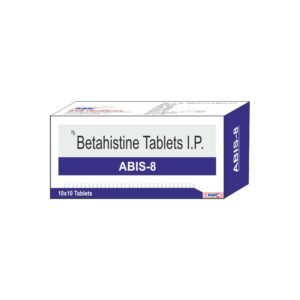
Actvert 16 MG Tablet 10
₹63.75
Quick fact
Actvert is a betahistine tablet used to prevent and treat Ménière’s disease, an inner-ear disorder that can cause dizziness, ringing in the ears, and hearing loss.
Uses
What is Actvert 16 MG Tablet 10 & Important Details
Actvert contains betahistine and is used for Ménière’s disease. It is a tablet supplied in a pack of 10 tablets and requires a prescription.
- The active ingredient is betahistine.
- It is used to prevent and treat Ménière’s disease, an inner-ear disorder associated with dizziness, ringing in the ears, and hearing loss.
How does Actvert 16 MG Tablet 10 work (mechanism of action)?
Actvert is described as a histamine analogue. It improves blood flow to the inner ear and reduces pressure from excess fluid there.
- It improves blood flow in the inner ear.
- This reduces pressure from excess fluid, which can send signals to the brain.
Specialized or Off-Label Uses of Actvert 16 MG Tablet 10
No off-label uses are established in the available information.
Conditions That Actvert 16 MG Tablet 10 Will Not Treat
Actvert may manage symptoms but does not cure underlying inner-ear conditions. No other specific conditions it does not treat are established in the available information.
Benefits
What are the benefits of taking Actvert 16 MG Tablet 10
Actvert may make Ménière’s disease symptoms milder and reduce how often they occur. Improvement may take a couple of weeks.
- It may help reduce symptoms such as dizziness, ringing in the ears, and hearing problems associated with Ménière’s disease.
- It can reduce the number and severity of attacks, but may not stop them completely.
Side Effects
What are the most common side effects of Actvert 16 MG Tablet 10?
Common side effects reported for Actvert include headache, nausea, and indigestion. Stomach pain and bloating may also occur, but their frequency is not specified.
- Headache
- Nausea
Taking the tablet with food can help reduce stomach problems. Contact your doctor if side effects persist or worry you.
What are the serious side effects of Actvert 16 MG Tablet 10?
The available information lists rapid heartbeat, severe dizziness or fainting, and certain neurological symptoms as serious side effects.
- Rapid or irregular heartbeat
- Severe dizziness or fainting
- Confusion, tremors, or seizures
Seek urgent medical help if you experience these serious symptoms.
Severe Allergic Reactions of Actvert 16 MG Tablet 10?
A severe allergic reaction may need emergency care. Do not take Actvert if you are allergic to betahistine or any of its components.
- Rash
- Swelling of the face or throat
- Difficulty breathing
Get emergency medical care if these symptoms occur.
What side effects may I notice from receiving this medication?
Side effects you may notice include:
- Headache, nausea, or indigestion
- Stomach pain or bloating
Ask your doctor if a side effect persists or concerns you.
Actvert 16 MG Tablet 10 Dosage Guidelines
Overview
The described regimen is two to three times daily, typically with doses every 8 to 12 hours. Your doctor decides the dose and how often you should take Actvert.
Adults
Your doctor decides the correct dose and how often to take Actvert; the available information does not specify a maximum daily dose. The doctor may change it.
Children
Actvert is not recommended for children under 18 years old because safety data are lacking. A doctor must decide.
Older adults
Older patients should take Actvert under medical supervision. The available information does not specify an older-adult dose or maximum daily dose. The doctor decides.
- The final dose and schedule should follow your doctor’s instructions.
- Take it at the same time each day as advised.
Dosage Adjustments for Kidney, Liver, or Other Health Problems
Dose adjustment advice for specific kidney or liver problems is not established here. Discuss your health and medicines with your doctor before treatment.
- Normal kidney function: No specific adjustment is established in the available information.
- Reduced kidney function: No specific adjustment is established in the available information; ask your doctor for advice.
- Severe kidney impairment: A specific dose adjustment is not established in the available information.
- Dialysis: A dose recommendation for dialysis is not established in the available information.
- Liver disease: A specific dose adjustment is not established in the available information; discuss liver concerns with your doctor.
- Other important conditions: Tell your doctor about stomach ulcers, asthma, or high or low blood pressure before taking Actvert.
Do not change your dose without medical advice.
How Often and How Long to Take Actvert 16 MG Tablet 10?
The described regimen is two to three times daily, but your doctor decides how often and how long you should take Actvert. Treatment may continue for several months if prescribed.
- Try to take it at the same time each day.
- Continue for as long as your doctor prescribes, even if you feel better.
How should I take Actvert 16 MG Tablet 10?
Taking Actvert 16 MG Tablet 10 With or Without Food
Actvert may be taken with or without food. Taking it with food can help reduce stomach problems.
How to Take Specific Forms (Tablets, Chewables, Liquid Suspension)
Tablets: Swallow the tablet whole with water. Do not chew, crush, or break it.
Overdose/Missed Dose
What should I do if I accidentally use too much Actvert 16 MG Tablet 10?
Taking too much may cause more pronounced headaches, stomach upsets, or skin reactions. Contact a doctor if you think you have taken too much.
What should I do if I miss a dose of Actvert 16 MG Tablet 10?
Take a missed dose when you remember unless it is nearly time for your next dose. If it is nearly time, leave out the missed dose and continue your regular schedule; do not take an extra dose to make up for it.
Interactions
Does Actvert 16 MG Tablet 10 interact with foods or drinks?
No specific food interaction is established in the available information. Actvert may be taken with or without food; taking it with food can help reduce stomach problems.
Does Actvert 16 MG Tablet 10 interact with other medicines (drug interactions)
Tell your doctor about all medicines you take, as some may interact with Actvert.
- Antihistamines such as diphenhydramine and promethazine could reduce Actvert’s effect.
- H2 receptor antagonists such as cimetidine or ranitidine may reduce its ability to manage vertigo.
- Monoamine oxidase inhibitors such as selegiline and phenelzine can interact with Actvert.
Actvert 16 MG Tablet 10 and Blood Thinners
A specific interaction between Actvert and blood thinners is not established in the available information. Ask your doctor or pharmacist.
Actvert 16 MG Tablet 10 and Birth Control (if applicable)
An interaction between Actvert and birth control is not established in the available information. Ask your doctor or pharmacist if you have concerns.
Interactions with Supplements, Vitamins, and Herbal Products
Interactions with supplements, vitamins, or herbal products are not established in the available information.
Warnings & Precautions
Who should not use Actvert 16 MG Tablet 10?
Do not take Actvert if you are allergic to betahistine or any of its components. Discuss relevant health conditions with your doctor before using it.
- Tell your doctor if you have a stomach ulcer, asthma, or high or low blood pressure.
- It is not recommended for children under 18 years old because safety data are lacking.
What should I know about Actvert 16 MG Tablet 10 before using it?
Before starting Actvert, review your health conditions and other medicines with your doctor.
- Tell your doctor if you have a stomach ulcer, asthma, or high or low blood pressure.
- Speak to your doctor if you are pregnant, trying to become pregnant, or breastfeeding.
Precautions for Pre-existing Conditions (Heart, Kidney, Liver)
Kidney disease: Specific advice for kidney disease is not established in the available information. Ask your doctor before use.
Liver disease: Specific advice for liver disease is not established in the available information. Discuss liver concerns with your doctor.
Heart disease: Specific advice for heart disease is not established in the available information. Ask your doctor if this applies to you.
Alcohol: Can You Drink Alcohol While Taking Actvert 16 MG Tablet 10?
Whether alcohol affects Actvert is not established in the available information. Ask your doctor or pharmacist for advice.
Pregnancy and Breastfeeding
Pregnancy: Speak to a doctor before using Actvert if you are pregnant or trying to become pregnant.
Breastfeeding: Speak to a doctor before using Actvert while breastfeeding.
Children: Actvert is not recommended for children under 18 years old because safety data are lacking.
Older adults: Older patients should take Actvert under medical supervision.
Safe Usage & Best Practices
Why You Must Complete the Full Prescription
Take Actvert for as long as your doctor prescribes, even if you start feeling better.
Consequences of Skipping Doses or Sharing Medication
Regular use as prescribed may help Actvert work more effectively.
- Follow the instructions for a missed dose rather than taking an extra dose.
- Do not share your medicine; use it only as prescribed for you.
Can Actvert 16 MG Tablet 10 cause headache?
Yes. Headache is listed as a common side effect of Actvert.
- Nausea and indigestion are also listed as common side effects.
What should you do if you feel better before finishing the medication?
Keep taking Actvert for as long as prescribed, even if you feel better.
- Ask your doctor before making a change to your treatment.
Storage Details
Store Actvert in a dry, cool place and keep it in its original packaging.
- Protect the tablets from direct light and moisture.
- Keep the medicine out of children’s reach.
Frequently asked questions
-
1. What is Actvert used for?
Ans: It is used to prevent and treat Ménière’s disease.
-
2. Can I take Actvert with food?
Ans: Yes. It may be taken with or without food; taking it with food can help reduce stomach problems.
-
3. What are common side effects?
Ans: Headache, nausea, and indigestion are listed as common side effects.
-
4. Can I stop Actvert when I feel better?
Ans: Take it for as long as prescribed and speak to your doctor before stopping.
-
5. Can children take Actvert?
Ans: It is not recommended for children under 18 years old because safety data are lacking.