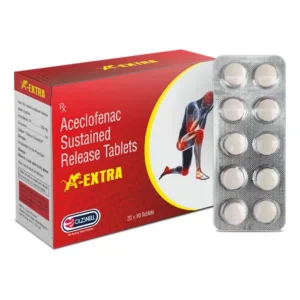

Acebid 100 MG Tablet 10
₹22.50
Quick fact
Acebid is an aceclofenac tablet used for short-term relief of pain and inflammation, including pain associated with arthritis, muscle pain, toothache, menstrual cramps, and minor injuries.
Uses
What is Acebid 100 MG Tablet 10 & Important Details
Acebid contains aceclofenac and is used to relieve pain and inflammation. Use it only as advised by your doctor.
- It is a tablet supplied in a pack of 10 tablets.
- It requires a prescription.
How does Acebid 100 MG Tablet 10 work (mechanism of action)?
Acebid is a non-steroidal anti-inflammatory drug. It works by blocking chemical messengers that cause pain and inflammation.
- It blocks the release of certain chemical messengers.
- This helps reduce pain and inflammation, including redness and swelling.
Specialized or Off-Label Uses of Acebid 100 MG Tablet 10
No off-label uses are established in the available information.
Conditions That Acebid 100 MG Tablet 10 Will Not Treat
The available information does not identify specific conditions that Acebid will not treat.
Benefits
What are the benefits of taking Acebid 100 MG Tablet 10
Acebid may relieve pain and inflammation in the conditions for which it is prescribed.
- It may reduce pain, swelling, and stiffness.
- Relief of these symptoms may improve movement and comfort.
Side Effects
What are the most common side effects of Acebid 100 MG Tablet 10?
Common side effects listed for Acebid include stomach and digestive symptoms.
- Vomiting, nausea, stomach or abdominal pain, indigestion, flatulence, constipation, diarrhoea, heartburn, or loss of appetite.
Dizziness, drowsiness, and visual disturbances may also occur; their frequency is not specified. Contact your doctor if side effects persist or worsen.
What are the serious side effects of Acebid 100 MG Tablet 10?
Long-term use may lead to stomach bleeding and kidney problems. Seek prompt medical advice if you notice warning signs of bleeding.
- Black or tarry stools.
- Vomiting blood.
- Severe stomach pain.
Stop taking Acebid and seek medical advice if any of these warning signs occur. If you are worried about severe symptoms, seek urgent medical help.
Severe Allergic Reactions of Acebid 100 MG Tablet 10?
Rash, swelling, or other signs of an allergic reaction need medical attention while taking Acebid.
- Rash.
- Swelling.
- Other signs of an allergic reaction.
Get urgent medical help for a severe reaction. If symptoms feel severe or rapidly worsen, seek emergency care.
What side effects may I notice from receiving this medication?
Watch for digestive symptoms and changes in how alert or clearly you can see.
- Nausea, vomiting, stomach pain, or indigestion.
- Dizziness, drowsiness, or visual disturbances.
Contact your doctor if these effects persist or worsen.
Acebid 100 MG Tablet 10 Dosage Guidelines
Overview
The usual adult dose is 100 mg twice daily, with a maximum of 200 mg in a day. Your doctor decides the final dose and how long you should take it.
Adults
No usual adult dose with an amount, unit, and frequency is stated in the available product information. Ask your doctor or pharmacist what dose is right for you; the doctor may change it.
Children
Acebid is not recommended for children because safety and effectiveness were not established. A doctor must decide.
Older adults
Use the usual adult regimen only if the doctor considers it suitable; use the lowest effective dose with caution. The doctor decides.
- The dose may need consideration in kidney or liver impairment; consult your doctor.
- Your health conditions and other medicines may affect whether Acebid is suitable. Ask your doctor or pharmacist for advice.
Dosage Adjustments for Kidney, Liver, or Other Health Problems
Dose changes depend on your health and should be decided by a doctor. The available information does not give a specific adjustment schedule.
- Normal kidney function: No specific adjustment is stated; follow your doctor’s directions.
- Reduced kidney function: A dose adjustment may be needed. Consult your doctor.
- Severe kidney impairment: A specific adjustment for severe impairment is not established in the available information. Ask your doctor before use.
- Dialysis: A dialysis-specific adjustment is not established in the available information. Ask your doctor before use.
- Liver disease: A dose adjustment may be needed. Consult your doctor.
- Other important conditions: Tell your doctor about heart disease, stroke, high blood pressure, or other relevant conditions before taking Acebid.
Do not adjust the dose yourself. Your doctor can assess your condition and decide whether treatment is appropriate.
How Often and How Long to Take Acebid 100 MG Tablet 10?
The usual adult regimen is twice daily, but the duration depends on your doctor’s instructions. Use Acebid for the shortest duration necessary.
- Follow the dose and duration advised by your doctor.
- Use it for the shortest duration necessary and consult your doctor if pain persists.
How should I take Acebid 100 MG Tablet 10?
Taking Acebid 100 MG Tablet 10 With or Without Food
Take Acebid with or after food. Taking it with food or milk can help reduce stomach upset; avoid taking it on an empty stomach.
How to Take Specific Forms (Tablets, Chewables, Liquid Suspension)
Tablets: Swallow the tablet whole. Do not chew, crush, or break it.
Overdose/Missed Dose
What should I do if I accidentally use too much Acebid 100 MG Tablet 10?
Too much Acebid may cause headache, nausea, vomiting, or stomach pain. Inform your doctor or go to the nearest hospital immediately if you take too much.
What should I do if I miss a dose of Acebid 100 MG Tablet 10?
If you forget a dose, take it when you remember and take the next dose at the right time. Do not take a double dose to make up for the missed one.
Interactions
Does Acebid 100 MG Tablet 10 interact with foods or drinks?
Avoid alcohol while taking Acebid. It may increase the risk of stomach irritation, ulcers, and drowsiness. Taking the tablet with food or milk may help reduce stomach upset.
Does Acebid 100 MG Tablet 10 interact with other medicines (drug interactions)
Tell your doctor or pharmacist about all medicines you take. Some combinations may increase risks or need monitoring.
- Do not take other NSAID pain relievers, such as ibuprofen, naproxen, or high-dose aspirin, unless your doctor advises it; combining them may increase the risk of stomach ulcers and bleeding.
- Acebid may enhance warfarin’s anticoagulant effects, so close monitoring is required.
Acebid 100 MG Tablet 10 and Blood Thinners
- Acebid may enhance warfarin’s anticoagulant effects; close monitoring is required.
- Tell your doctor if you take warfarin.
Acebid 100 MG Tablet 10 and Birth Control (if applicable)
A specific interaction with birth control is not established in the available information. Ask your doctor or pharmacist if you have questions.
Interactions with Supplements, Vitamins, and Herbal Products
Interactions with supplements, vitamins, and herbal products are not established in the available information.
Warnings & Precautions
Who should not use Acebid 100 MG Tablet 10?
Acebid is not recommended for children, and it is not recommended during pregnancy or breastfeeding. Discuss your health history with your doctor before use.
- Tell your doctor if you have a history of heart disease, stroke, high blood pressure, kidney disease, or liver problems.
- Older patients should use Acebid with caution because of an increased risk of side effects.
What should I know about Acebid 100 MG Tablet 10 before using it?
Use Acebid only at the dose and for the duration advised by your doctor. Use it for the shortest duration necessary.
- Tell your doctor about relevant health conditions and medicines you take.
- Long-term treatment may require monitoring of kidney function, liver function, and blood component levels.
Precautions for Pre-existing Conditions (Heart, Kidney, Liver)
Kidney disease: Tell your doctor before taking Acebid; a dose adjustment may be needed.
Liver disease: Tell your doctor before taking Acebid; a dose adjustment may be needed.
Heart disease: Tell your doctor about heart disease or a history of stroke before taking Acebid.
Alcohol: Can You Drink Alcohol While Taking Acebid 100 MG Tablet 10?
Avoid alcohol while taking Acebid.
- Alcohol may increase the risk of stomach irritation, ulcers, and drowsiness.
Pregnancy and Breastfeeding
Pregnancy: Acebid is not recommended during pregnancy; avoid it especially in the third trimester. Ask your doctor for advice.
Breastfeeding: Acebid is not recommended while breastfeeding. Ask your doctor about suitable treatment.
Children: Acebid is not recommended for children because safety and effectiveness were not established.
Older adults: Use with caution because older patients may have an increased risk of side effects.
Safe Usage & Best Practices
Why You Must Complete the Full Prescription
Follow the treatment duration prescribed by your doctor. Do not extend treatment or change your dose without medical advice.
Consequences of Skipping Doses or Sharing Medication
Follow your doctor’s directions and do not share Acebid with another person.
- Take a forgotten dose when you remember, then take the next dose at the right time.
- Ask your doctor or pharmacist if you are unsure what to do.
Can Acebid 100 MG Tablet 10 cause indigestion?
Yes. Indigestion is listed as a common side effect of Acebid. Contact your doctor if it persists or worsens.
- Other listed digestive effects include nausea, vomiting, and stomach pain.
What should you do if you feel better before finishing the medication?
If you feel better, follow the duration your doctor prescribed and do not change your treatment without advice.
- Use the medicine for the shortest duration necessary.
- Contact your doctor if pain persists despite treatment.
Storage Details
Store Acebid below 25°C in a cool, dry place away from sunlight. Keep it out of reach of children and pets.
Frequently asked questions
-
1. What is Acebid used for?
Ans: It is used for short-term relief of pain and inflammation in conditions including arthritis, muscle pain, toothache, menstrual cramps, and minor injuries.
-
2. How should I take the tablet?
Ans: Take it with or after food and swallow it whole; do not chew, crush, or break it.
-
3. Can I take it with alcohol?
Ans: Avoid alcohol while taking Acebid because it may increase stomach irritation, ulcers, and drowsiness.
-
4. What should I do if I take too much?
Ans: Inform your doctor or go to the nearest hospital immediately.
-
5. Can children take Acebid?
Ans: It is not recommended for children because safety and effectiveness were not established.