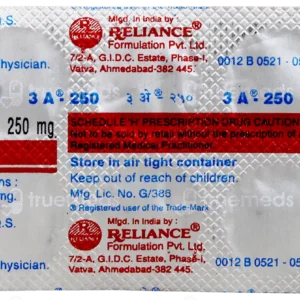
Abe Chewable Tablet 1
₹7.03
Quick fact
Abe Chewable Tablet 1 contains albendazole and is used to treat several parasitic worm infections, including roundworm, hookworm, pinworm, whipworm, and tapeworm infections.
Uses
What is Abe Chewable Tablet 1 & Important Details
Abe Chewable Tablet 1 is a prescription-required medicine used for parasitic worm infections.
- Its active ingredient is albendazole.
- It is used for roundworm, hookworm, pinworm, whipworm, and tapeworm infections.
How does Abe Chewable Tablet 1 work (mechanism of action)?
Albendazole acts on structures inside certain parasites.
- It blocks tubulin polymerisation in larval forms of certain parasites.
- This impairs the parasites’ glucose uptake and depletes their energy stores.
Specialized or Off-Label Uses of Abe Chewable Tablet 1
The supplied information does not establish any off-label uses for Abe Chewable Tablet 1.
Conditions That Abe Chewable Tablet 1 Will Not Treat
The supplied information does not identify specific conditions that this medicine does not treat.
Benefits
What are the benefits of taking Abe Chewable Tablet 1
Abe Chewable Tablet 1 is used against several worm infections.
- It is used for infections caused by roundworms, hookworms, pinworms, whipworms, and tapeworms.
- It targets tapeworm larvae involved in cyst formation in organs such as the brain, liver, and lungs.
Side Effects
What are the most common side effects of Abe Chewable Tablet 1?
Common side effects listed for this medicine include stomach symptoms and effects such as headache or dizziness.
- Abdominal pain or discomfort
- Nausea or vomiting
What are the serious side effects of Abe Chewable Tablet 1?
Seek prompt medical attention for warning signs that may indicate a serious problem.
- Yellowing of the skin or eyes, dark urine, or severe upper abdominal pain may indicate severe liver problems.
- Unusual bleeding, easy bruising, frequent infections, or severe fatigue may signal blood-cell problems.
- Widespread rash, blistering, peeling, or rash with fever or feeling generally unwell are serious warning signs.
- During treatment for neurocysticercosis, worsening seizures, severe headache, confusion, or vision changes are serious symptoms.
Get medical help promptly if any of these symptoms occur or if you feel seriously unwell.
Severe Allergic Reactions of Abe Chewable Tablet 1?
Allergic reactions to albendazole may involve the skin or swelling of the face and throat.
- Rash, itching, or hives
- Swelling of the face, lips, tongue, or throat
Get emergency medical care for severe allergic symptoms, especially swelling affecting the mouth or throat or difficulty breathing.
What side effects may I notice from receiving this medication?
Possible effects include the following:
- Loss of appetite
- Dizziness
Contact your doctor if symptoms persist, worsen, or concern you.
Abe Chewable Tablet 1 Dosage Guidelines
Overview
The dose depends on the type of parasite and the person’s condition. Take Abe Chewable Tablet 1 only in the dose and at the frequency prescribed by a doctor. The supplied information does not establish a specific dose for each age group. Ask the prescriber or pharmacist if the instructions are unclear.
Adults
A specific adult dose is not established in the available information. The prescriber should decide the dose and schedule.
Children
A specific child dose is not established in the available information. A doctor must confirm whether this medicine is suitable for a child.
Older adults
A specific dose for older adults is not established. Use this medicine under medical supervision.
Dosage Adjustments for Kidney, Liver, or Other Health Problems
Dose changes for health conditions should be decided by a doctor; the available information does not provide a complete adjustment schedule.
- Normal kidney function: A dose for this situation is not established in the available information.
- Reduced kidney function: If you have kidney problems, use caution and discuss your kidney health with your doctor before taking the medicine.
- Severe kidney impairment: A specific dose adjustment is not established in the available information. Ask your doctor before use.
- Dialysis: A dose or adjustment for people receiving dialysis is not established in the available information.
- Liver disease: Use cautiously if you have liver problems. Monitoring of liver function might be required.
- Other important conditions: Blood disorders and neurological conditions such as seizures or epilepsy may affect treatment decisions; discuss them with your doctor.
Do not change your dose yourself. Tell the prescriber about your health conditions and medicines before treatment.
How Often and How Long to Take Abe Chewable Tablet 1?
Follow the dose and frequency prescribed by your doctor.
- The medicine is usually taken with meals, at the same time each day.
- Continue it for the full duration prescribed, even if you feel better.
How should I take Abe Chewable Tablet 1?
Taking Abe Chewable Tablet 1 With or Without Food
Abe Chewable Tablet 1 is usually taken with meals.
How to Take Specific Forms (Tablets, Chewables, Liquid Suspension)
Tablets: Take it by mouth. Swallow the tablet whole with water, or, if swallowing it whole is difficult, crush or chew it before swallowing with water.
Overdose/Missed Dose
What should I do if I accidentally use too much Abe Chewable Tablet 1?
Taking more than prescribed may cause nausea, vomiting, or abdominal pain. Contact your doctor promptly if this happens or you feel unwell.
What should I do if I miss a dose of Abe Chewable Tablet 1?
Take a missed dose when you remember, unless it is almost time for the next dose; then skip it and continue your usual schedule. Do not increase the dose without consulting your doctor.
Interactions
Does Abe Chewable Tablet 1 interact with foods or drinks?
Avoid grapefruit and grapefruit juice while taking this medicine, as they may increase albendazole absorption and cause adverse effects.
Does Abe Chewable Tablet 1 interact with other medicines (drug interactions)
Tell your doctor or pharmacist about all medicines you use. Some medicines may increase albendazole levels or affect its effects.
- Corticosteroids such as dexamethasone may increase albendazole levels.
- Cimetidine, used for heartburn or ulcers, may increase albendazole concentration.
- Praziquantel may enhance the medicine’s effects and could lead to unwanted side effects.
Abe Chewable Tablet 1 and Blood Thinners
If you take blood-thinning treatment, tell your doctor.
Abe Chewable Tablet 1 and Birth Control (if applicable)
The available product-specific information does not establish advice about birth control during or after treatment. Ask your doctor for guidance.
Interactions with Supplements, Vitamins, and Herbal Products
The supplied information does not identify specific interactions with supplements, vitamins, or herbal products.
Warnings & Precautions
Who should not use Abe Chewable Tablet 1?
Do not take Abe Chewable Tablet 1 if you are allergic to albendazole or any ingredient in the tablet. Discuss other health concerns with a doctor before use.
- Children should not be given this medicine without medical advice.
- Older patients should use it under medical supervision.
What should I know about Abe Chewable Tablet 1 before using it?
Before starting treatment, tell your doctor about your health conditions and medicines.
- Use caution if you have liver or kidney problems; liver-function monitoring might be needed.
- Tell your doctor if you have a blood disorder, seizures, or epilepsy.
Precautions for Pre-existing Conditions (Heart, Kidney, Liver)
Kidney disease: Use caution and discuss kidney-health concerns with your doctor before taking the medicine.
Liver disease: Use cautiously; liver-function monitoring might be required.
Heart disease: A specific precaution for heart disease is not established in the available information. Ask your doctor about your medical history.
Alcohol: Can You Drink Alcohol While Taking Abe Chewable Tablet 1?
The product information advises avoiding alcohol while taking Abe Chewable Tablet 1 because it may increase the risk of side effects such as dizziness.
Pregnancy and Breastfeeding
Pregnancy: The product information says this medicine is contraindicated during pregnancy because it could potentially harm the foetus. Consult your doctor if pregnant or planning to conceive.
Breastfeeding: Use caution and consult your doctor, as albendazole may pass into breast milk and adversely affect the baby.
Children: Do not give it to a child without medical advice.
Older adults: Use under medical supervision because older patients may be more susceptible to side effects.
Safe Usage & Best Practices
Why You Must Complete the Full Prescription
Continue Abe Chewable Tablet 1 for the full duration prescribed, even if you start to feel better.
Consequences of Skipping Doses or Sharing Medication
Follow the prescribed schedule and do not increase the dose to make up for a missed dose.
- Do not share this prescription medicine with another person.
Can Abe Chewable Tablet 1 cause abdominal pain?
Yes.
- Other common effects listed include nausea or vomiting, headache, and dizziness.
What should you do if you feel better before finishing the medication?
Feeling better does not mean you should stop early.
- If you are unsure about continuing, contact your doctor rather than changing the course yourself.
Storage Details
Store Abe Chewable Tablet 1 at room temperature and protect it from light and moisture.
- Keep it below 25°C.
- Keep it out of children’s reach.
Common brand names – Abe Chewable Tablet 1 available in India, USA, UK, Canada
- India: Sold as Abe Chewable Tablet 1 by Indian online pharmacies such as Truemeds and platinumrx.in. Other brand names are not established in the available information.
- USA: Availability under a specific brand name is not established in the available information.
- UK: Availability under a specific brand name is not established in the available information.
- Canada: Availability under a specific brand name is not established in the available information.
Frequently asked questions
-
1. What is Abe Chewable Tablet 1 used for?
Ans: It is used for parasitic worm infections, including roundworm, hookworm, pinworm, whipworm, and tapeworm infections.
-
2. Can I take it during pregnancy?
Ans: The product information says it is contraindicated during pregnancy. Consult your doctor if you are pregnant or planning to conceive.
-
3. How should I take the tablet?
Ans: Take it by mouth as prescribed. Swallow it whole with water, or crush or chew it first if swallowing whole is difficult.
-
4. What if I miss a dose?
Ans: Take it when remembered unless it is almost time for the next dose; then skip the missed dose. Do not increase your dose.
-
5. What side effects can it cause?
Ans: Common side effects include abdominal pain or discomfort, nausea or vomiting, headache, and dizziness.