
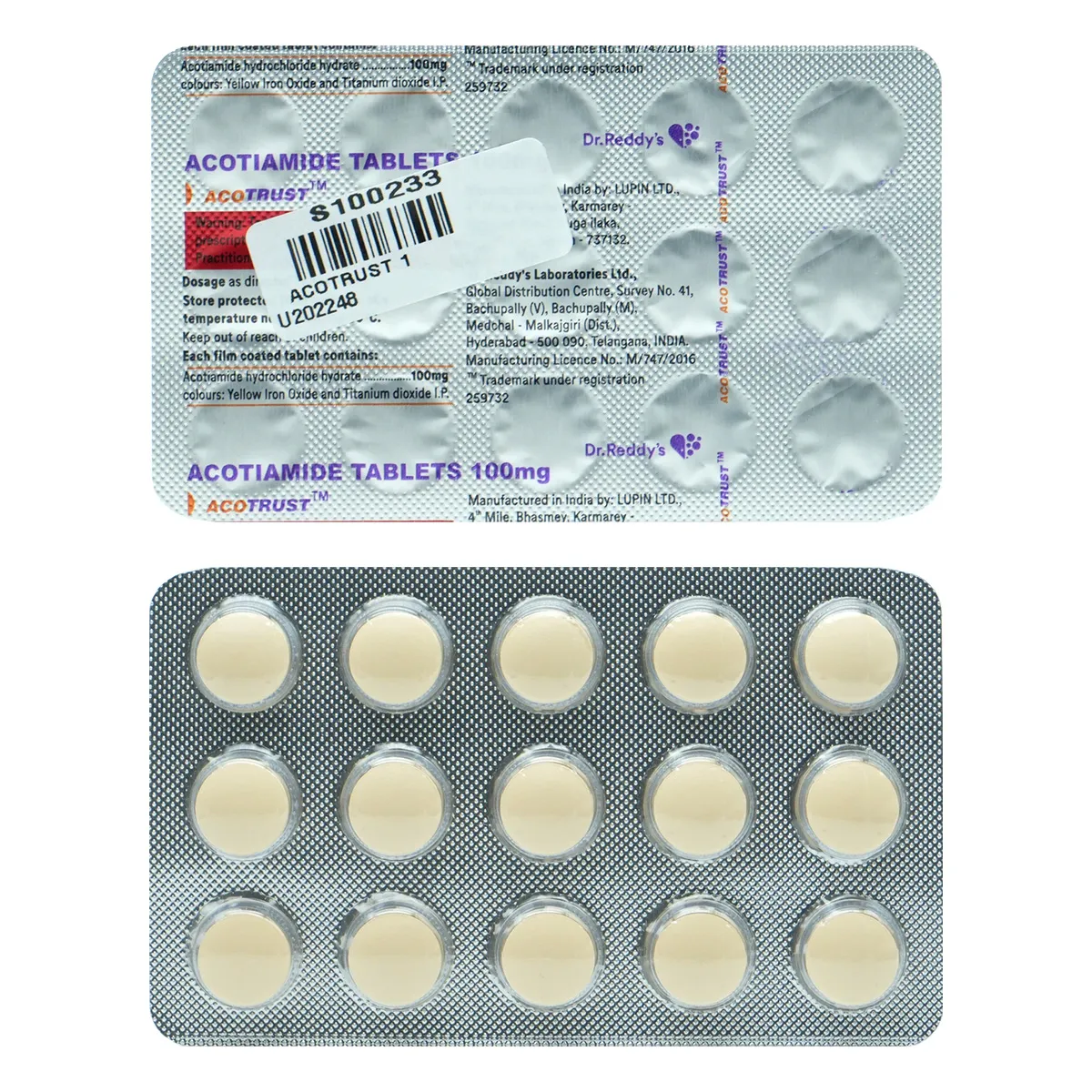
Acotrust Tablet 15
₹292.08
Quick fact
Acotrust Tablet 15 contains acotiamide and is used to manage functional dyspepsia, which can cause bloating, fullness after meals and feeling full too quickly.
Uses
What is Acotrust Tablet 15 & Important Details
Acotrust Tablet 15 is a prescription medicine used to manage functional dyspepsia, a condition that can cause discomfort and fullness around meals. Use it only as advised by your doctor.
- It is supplied as a tablet.
- Its active ingredient is acotiamide.
- Prescription is required for this medicine.
How does Acotrust Tablet 15 work (mechanism of action)?
Acotiamide works by increasing acetylcholine concentration in the stomach. This helps food move onward through the digestive system.
- It increases acetylcholine concentration in the stomach.
- This promotes movement of food from the stomach into the intestine.
- It also increases intestinal motility, which helps manage functional dyspepsia.
Specialized or Off-Label Uses of Acotrust Tablet 15
No off-label use is supported by the available information. Ask your doctor whether this medicine is suitable for your condition.
Conditions That Acotrust Tablet 15 Will Not Treat
The available information supports its use for functional dyspepsia only; it does not establish that Acotrust treats other conditions. Ask a doctor about symptoms with another cause.
Benefits
What are the benefits of taking Acotrust Tablet 15
Acotrust may help ease some symptoms of functional dyspepsia by supporting movement through the stomach and intestines. The benefit can vary from person to person.
- It may help relieve bloating.
- It may help with feeling too full after eating or full too quickly.
Side Effects
What are the most common side effects of Acotrust Tablet 15?
Common side effects reported with Acotrust include digestive symptoms and rash. Not everyone will experience them.
- Diarrhoea or constipation.
- Nausea or vomiting.
- Rash.
Speak with your doctor if a side effect becomes serious, persists or worries you. Seek advice rather than stopping or changing the medicine on your own.
What are the serious side effects of Acotrust Tablet 15?
A severe allergic reaction may cause breathing difficulty or swelling of the face, tongue or throat. These symptoms need urgent attention.
- Difficulty breathing.
- Swelling of the face, tongue or throat.
Seek immediate medical attention if any of these symptoms occur. Do not wait to see whether they settle on their own.
Severe Allergic Reactions of Acotrust Tablet 15?
An allergic reaction may need emergency care. Do not take Acotrust if you are allergic to acotiamide or another ingredient.
- Sudden rash or hives.
- Swelling, particularly of the face, tongue or throat, or difficulty breathing.
Stop taking the medicine and seek emergency medical care if sudden rash, hives or swelling develops.
What side effects may I notice from receiving this medication?
Possible side effects include:
- Headache or dizziness.
- Stomach discomfort, gas or dry mouth.
Speak with your doctor if symptoms become serious or do not improve.
Acotrust Tablet 15 Dosage Guidelines
Overview
A standard adult dose is 100 mg three times daily before meals, with a maximum of 300 mg in a day. The doctor decides the final dose and treatment duration. The dose may need individual consideration based on age, health conditions and other medicines. The available product information advises taking the dose and duration recommended by your doctor.
Adults
The dose and duration should be as advised by your doctor; the available information does not specify an amount or frequency. The doctor may change it.
Children
Use below 18 years requires caution because safety and effectiveness are not known; consult a doctor. A doctor must decide the final dose.
Older adults
Use with caution in older adults aged 60 years and above; consult a doctor. The doctor decides the final dose.
- Tell your doctor if you have kidney or liver problems.
- Tell your doctor about other medicines you take, including atropine, acetylcholine chloride or neostigmine bromide.
Dosage Adjustments for Kidney, Liver, or Other Health Problems
The available information does not give specific dose adjustments for kidney or liver conditions. These conditions may affect how the medicine is used, so discuss your health history with your doctor.
- Normal kidney function: A specific adjustment for normal kidney function is not established in the available information.
- Reduced kidney function: Use with caution and consult your doctor before taking the medicine.
- Severe kidney impairment: A specific adjustment for severe kidney impairment is not established in the available information. Ask your doctor for advice.
- Dialysis: A specific adjustment for dialysis is not established in the available information. Ask your doctor for advice.
- Liver disease: Use with caution and consult your doctor before taking the medicine.
- Other important conditions: Older adults should use it with caution and consult a doctor. Tell your doctor about other medicines you take.
Do not change your dose on your own. Ask your doctor or pharmacist if you are unsure how to take Acotrust.
How Often and How Long to Take Acotrust Tablet 15?
The usual adult schedule is three times daily before meals. The treatment duration should be decided by your doctor.
- Follow the schedule and duration advised by your doctor.
- Do not take more than the recommended dose.
How should I take Acotrust Tablet 15?
Taking Acotrust Tablet 15 With or Without Food
Take Acotrust on an empty stomach or as advised by your doctor. Taking it with or immediately after a meal may reduce its absorption and effectiveness.
How to Take Specific Forms (Tablets, Chewables, Liquid Suspension)
Tablets: Swallow the tablet whole with a glass of water. Do not crush or chew it.
Overdose/Missed Dose
What should I do if I accidentally use too much Acotrust Tablet 15?
If you or someone else takes too much Acotrust, contact a doctor immediately or go to a nearby hospital.
What should I do if I miss a dose of Acotrust Tablet 15?
Take the missed dose when you remember. If it is nearly time for the next dose, skip the missed dose. Do not double the dose.
Interactions
Does Acotrust Tablet 15 interact with foods or drinks?
Taking Acotrust with or immediately after a meal may reduce its absorption and effectiveness. Follow your doctor’s food instructions.
Does Acotrust Tablet 15 interact with other medicines (drug interactions)
Tell your doctor about all medicines you take. Some may interact with Acotrust or affect how well it works.
- Atropine; anticholinergic medicines may reduce Acotrust’s effectiveness.
- Acetylcholine chloride.
- Neostigmine bromide.
Acotrust Tablet 15 and Blood Thinners
A specific interaction with blood thinners is not established in the available information. Ask your doctor or pharmacist about your medicines.
Acotrust Tablet 15 and Birth Control (if applicable)
An interaction with birth control is not established in the available information. Ask your doctor or pharmacist if you have concerns.
Interactions with Supplements, Vitamins, and Herbal Products
A specific interaction with supplements, vitamins or herbal products is not established in the available information. Tell your doctor about anything you take.
Warnings & Precautions
Who should not use Acotrust Tablet 15?
Acotrust is not recommended for people allergic to acotiamide. Discuss your suitability for the medicine with a doctor.
- Do not take it if you are allergic to acotiamide or another ingredient.
- Children and adolescents below 18 years should consult a doctor because safety and effectiveness are not known.
What should I know about Acotrust Tablet 15 before using it?
Before starting Acotrust, tell your doctor about your health conditions and all medicines you take.
- Tell your doctor if you have kidney or liver problems.
- Mention atropine, acetylcholine chloride or neostigmine bromide if you take them.
- Use it as advised by your doctor.
Precautions for Pre-existing Conditions (Heart, Kidney, Liver)
Kidney disease: Use with caution and consult your doctor.
Liver disease: Use with caution and consult your doctor.
Heart disease: Specific guidance for heart disease is not established in the available information. Ask your doctor for advice.
Alcohol: Can You Drink Alcohol While Taking Acotrust Tablet 15?
A specific interaction between Acotrust and alcohol is not established in the available information. Ask your doctor or pharmacist for advice.
Pregnancy and Breastfeeding
Pregnancy: Use with caution and only if recommended by a doctor.
Breastfeeding: Use is generally not recommended because the medicine may pass into breast milk and pose risks to the baby. Consult your doctor.
Children: Below 18 years, safety and effectiveness are not known; consult a doctor.
Older adults: Use with caution and consult a doctor.
Safe Usage & Best Practices
Why You Must Complete the Full Prescription
Follow your doctor’s instructions for the dose and duration. Do not stop or change treatment without discussing it with your doctor.
Consequences of Skipping Doses or Sharing Medication
If you miss a dose, follow the missed-dose instructions. Do not share Acotrust with anyone else.
- Skip a missed dose if it is time for the next one; do not double the dose.
- Do not share this medicine with another person.
Can Acotrust Tablet 15 cause nausea?
Yes. Nausea is listed as a common side effect of Acotrust.
- Other common digestive side effects include vomiting, diarrhoea and constipation.
What should you do if you feel better before finishing the medication?
If you feel better, follow the treatment duration your doctor advised; ask before stopping or changing the medicine.
- Contact your doctor if symptoms return or worsen.
Storage Details
Store Acotrust in a cool, dry place away from sunlight.
- Keep it out of the sight and reach of children.
Frequently asked questions
-
1. What is Acotrust used for?
Ans: It is used to manage functional dyspepsia, which can cause symptoms such as bloating and early fullness.
-
2. Can I crush or chew the tablet?
Ans: No. Swallow it whole with water; do not crush or chew it.
-
3. Should I take it with food?
Ans: Take it on an empty stomach or as advised by your doctor.
-
4. What if I miss a dose?
Ans: Take it when you remember unless it is time for your next dose. Do not take a double dose.
-
5. What should I do if I take too much?
Ans: Contact a doctor immediately or visit a nearby hospital.

