
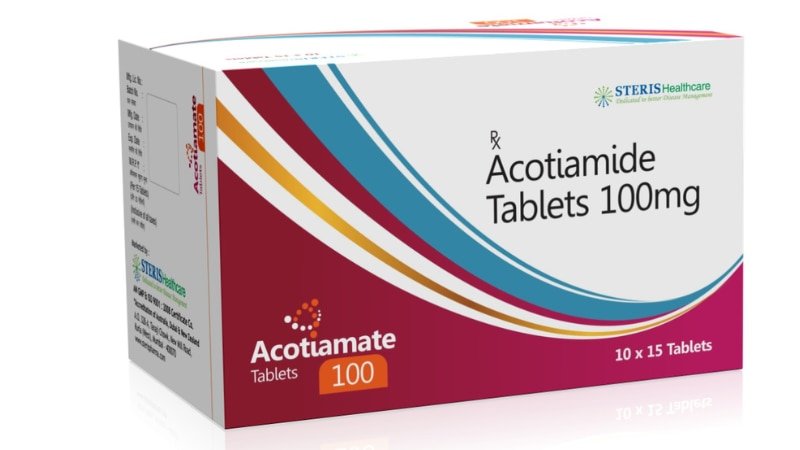
Acotiamate 100 Tablet 15
Quick fact
Acotiamate 100 Tablet 15 is a prescription tablet used to manage functional dyspepsia, which can cause upper abdominal discomfort, bloating and early fullness.
Uses
What is Acotiamate 100 Tablet 15 & Important Details
Acotiamate 100 Tablet 15 contains acotiamide and is used for functional dyspepsia, a condition associated with upper stomach discomfort.
- It is a tablet supplied in a pack named Tablet 15.
- The product features acotiamide 100 mg.
- A prescription is required.
- It is used for discomfort, fullness after meals and early satiety associated with functional dyspepsia.
How does Acotiamate 100 Tablet 15 work (mechanism of action)?
Acotiamide affects acetylcholine, a chemical involved in gut movement. The supplied information describes the following steps.
- It inhibits acetylcholinesterase.
- This increases acetylcholine levels in the gut.
- Increased acetylcholine stimulates gut muscle contractions and improves stomach movement.
Specialized or Off-Label Uses of Acotiamate 100 Tablet 15
No off-label uses are established in the available information. Use this prescription medicine only as directed by your doctor.
Conditions That Acotiamate 100 Tablet 15 Will Not Treat
The available information does not establish other conditions that this medicine treats. It is intended to manage functional dyspepsia, not to treat every cause of stomach discomfort.
Benefits
What are the benefits of taking Acotiamate 100 Tablet 15
Acotiamate may ease symptoms linked to functional dyspepsia and improve digestive comfort.
- It may help relieve upper abdominal pain or a burning sensation.
- It may ease upper abdominal bloating and nausea.
- It is used for upper stomach discomfort, fullness after meals and early satiety associated with functional dyspepsia.
Side Effects
What are the most common side effects of Acotiamate 100 Tablet 15?
Possible side effects are listed below. The available information does not say how often they occur.
- Headache, diarrhoea or constipation.
- Nausea, vomiting, abdominal discomfort or flatulence.
- Dry mouth, dizziness or skin rash.
Speak with your doctor if side effects persist or worsen.
What are the serious side effects of Acotiamate 100 Tablet 15?
No specific serious side-effect symptoms are identified in the available information.
- This detail is not established in the available information.
Contact a doctor if you experience a serious reaction or your symptoms worsen.
Severe Allergic Reactions of Acotiamate 100 Tablet 15?
Do not take this medicine if you are allergic to acotiamide or any other ingredient in it.
- Specific symptoms of a severe allergic reaction are not listed in the available information.
Seek emergency care for a severe allergic reaction.
What side effects may I notice from receiving this medication?
Possible effects include:
- Headache, diarrhoea, constipation, nausea or vomiting.
- Abdominal discomfort, flatulence, dry mouth, dizziness or skin rash.
Talk to your doctor if these effects persist or worsen.
Acotiamate 100 Tablet 15 Dosage Guidelines
Overview
A usual adult regimen for acotiamide tablets is 100 mg three times daily before meals. The doctor decides the final dose and duration for you.
Adults
Take Acotiamate 100 Tablet 15 only as advised by your doctor. The dose may vary depending on your condition and response to the medicine. The doctor may change it.
Children
Use is not recommended under 18 years old. A doctor must decide.
Older adults
No dose adjustment is needed for elderly patients. The doctor decides.
- Your dose may depend on your condition and response to treatment.
- Follow the prescribed dose and do not take more without consulting your doctor.
Dosage Adjustments for Kidney, Liver, or Other Health Problems
Health conditions may affect how this medicine should be used. Discuss your medical history with your doctor.
- Normal kidney function: A specific adjustment is not established in the available information.
- Reduced kidney function: Discuss kidney problems with your doctor before use.
- Severe kidney impairment: Use caution; dose adjustment may be required.
- Dialysis: A specific dose recommendation is not established in the available information.
- Liver disease: Exercise caution in severe liver dysfunction.
- Other important conditions: Use caution with heart disease, a history of gastric ulcers, severe gastrointestinal bleeding or mechanical bowel obstruction.
Ask your doctor to decide whether this medicine is suitable and whether any dose change is needed.
How Often and How Long to Take Acotiamate 100 Tablet 15?
The usual adult regimen is three times daily before meals. The exact duration is not established in the available information.
- Follow the schedule prescribed by your doctor.
- Do not stop taking it without speaking to your doctor first.
How should I take Acotiamate 100 Tablet 15?
Taking Acotiamate 100 Tablet 15 With or Without Food
Taking the tablet 30 minutes before meals is advised for optimal effectiveness. No specific food items are known to interact with it.
How to Take Specific Forms (Tablets, Chewables, Liquid Suspension)
Tablets: Take it by mouth with a glass of water. Swallow the tablet whole; do not crush or chew it.
Overdose/Missed Dose
What should I do if I accidentally use too much Acotiamate 100 Tablet 15?
Taking more than prescribed may make headache, diarrhoea and dizziness more pronounced. Contact your doctor promptly if you take too much.
What should I do if I miss a dose of Acotiamate 100 Tablet 15?
Take a missed dose when remembered unless it is nearly time for the next dose. If so, skip it and continue your regular schedule; do not increase the dose.
Interactions
Does Acotiamate 100 Tablet 15 interact with foods or drinks?
No specific food items are known to interact with this medicine. Taking it 30 minutes before meals is advised for optimal effectiveness.
Does Acotiamate 100 Tablet 15 interact with other medicines (drug interactions)
Tell your doctor or pharmacist about all medicines you take. These medicines may affect Acotiamate 100 Tablet 15:
- Anticholinergic medicines such as atropine or scopolamine may reduce its effectiveness.
- Tricyclic antidepressants such as amitriptyline or nortriptyline may reduce its action.
- P-glycoprotein substrates with a narrow therapeutic index, such as digoxin, may need medicine-level monitoring.
Acotiamate 100 Tablet 15 and Blood Thinners
A specific interaction with blood thinners is not established in the available information. Ask your doctor or pharmacist about your medicines.
Acotiamate 100 Tablet 15 and Birth Control (if applicable)
An interaction with birth control is not established in the available information. Ask a doctor or pharmacist if you have concerns.
Interactions with Supplements, Vitamins, and Herbal Products
Interactions with supplements, vitamins and herbal products are not established in the available information. Tell your doctor or pharmacist about products you use.
Warnings & Precautions
Who should not use Acotiamate 100 Tablet 15?
Do not take Acotiamate 100 Tablet 15 if you are allergic to acotiamide or another ingredient.
- People with severe gastrointestinal bleeding should refrain from using it.
- People with mechanical bowel obstruction should avoid using it.
- Use caution if you have severe kidney or liver problems, heart disease or a history of gastric ulcers.
What should I know about Acotiamate 100 Tablet 15 before using it?
Before taking this medicine, tell your doctor about your health conditions and other medicines.
- Use caution with severe kidney impairment or severe liver dysfunction.
- If dizziness or fatigue occurs, avoid driving or using machines and speak with your doctor.
- Do not take more than prescribed or stop treatment without speaking to your doctor.
Precautions for Pre-existing Conditions (Heart, Kidney, Liver)
Kidney disease: Use caution in severe renal impairment; dose adjustment may be required.
Liver disease: Exercise caution in severe liver dysfunction.
Heart disease: Patients with heart disease should exercise care while taking the medicine.
Alcohol: Can You Drink Alcohol While Taking Acotiamate 100 Tablet 15?
There is no specific information about alcohol use with this medicine. Alcohol can worsen side effects as a general precaution.
Pregnancy and Breastfeeding
Pregnancy: There is insufficient information about use during pregnancy. Exercise caution and consult your doctor before taking it.
Breastfeeding: It is unknown whether the medicine passes into human milk. Take extra care and discuss use with your doctor.
Children: Use is not recommended under 18 years old.
Older adults: No dose adjustment is needed, but discuss use with your doctor because organ function may be reduced.
Safe Usage & Best Practices
Why You Must Complete the Full Prescription
Do not stop taking this medicine without speaking to your doctor first, even if you feel better.
Consequences of Skipping Doses or Sharing Medication
Follow the prescribed schedule and do not take extra medicine to make up for a missed dose.
- If a dose is nearly due, skip the missed one and continue your regular schedule.
- Do not share prescription medicine; ask your doctor or pharmacist if unsure.
Can Acotiamate 100 Tablet 15 cause diarrhoea?
Yes. Diarrhoea is a possible side effect; the available information does not state how often it occurs.
- Other possible effects include constipation, nausea and vomiting.
What should you do if you feel better before finishing the medication?
Do not stop taking the medicine just because you feel better; speak with your doctor first.
- Continue to follow the prescribed dose.
- Contact your doctor if you want to change or stop treatment.
Storage Details
Store Acotiamate 100 Tablet 15 as directed on its package and keep it out of children’s reach.
- Keep it in a cool, dry place not exceeding 30°C.
- Keep it away from direct sunlight and moisture.
- Keep it out of reach of children and use it before the expiry date marked on the package.
Frequently asked questions
-
1. What is Acotiamate 100 Tablet 15 used for?
Ans: It is used to manage functional dyspepsia and associated upper stomach discomfort.
-
2. How should I take the tablet?
Ans: Swallow it whole with water; do not crush or chew it.
-
3. When should I take it with meals?
Ans: Taking it 30 minutes before meals is advised for optimal effectiveness.
-
4. Can children take this medicine?
Ans: Use is not recommended under 18 years old.
-
5. What if I miss a dose?
Ans: Take it when remembered unless it is nearly time for the next dose; then skip it and continue your regular schedule.