
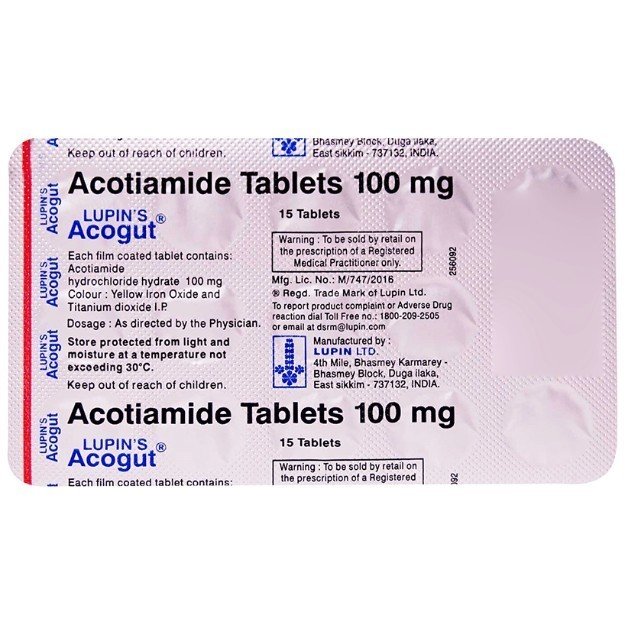
Acogut Tablet 15
₹361.15
Quick fact
Acogut Tablet 15 is a tablet used for functional dyspepsia, or indigestion. It may help relieve bloating after meals, upper-abdominal discomfort and early fullness.
Uses
What is Acogut Tablet 15 & Important Details
Acogut Tablet 15 contains acotiamide and is used to treat functional dyspepsia, a type of indigestion. It is supplied as a tablet for use as directed by a doctor.
- The product is supplied in a pack of 15 tablets.
- Its active ingredient is acotiamide.
- A prescription is required for this product.
How does Acogut Tablet 15 work (mechanism of action)?
Acogut helps manage functional dyspepsia by improving how the stomach moves and relaxes after meals. Its action supports coordinated movement of food through the stomach.
- It supports the action of acetylcholine in the stomach.
- This helps coordinate stomach movement and the movement of food from the stomach.
Specialized or Off-Label Uses of Acogut Tablet 15
No off-label uses are established in the available information. Use it only for the condition your doctor has assessed.
Conditions That Acogut Tablet 15 Will Not Treat
No specific conditions that Acogut does not treat are established in the available information. It is described for functional dyspepsia, not as a general treatment for every digestive complaint.
Benefits
What are the benefits of taking Acogut Tablet 15
Acogut is used to relieve symptoms associated with functional dyspepsia. The symptoms it may help with include discomfort and changes in fullness after eating.
- It may help reduce bloating after meals.
- It may help relieve upper-abdominal pain or discomfort.
Side Effects
What are the most common side effects of Acogut Tablet 15?
Common side effects reported with Acogut include the effects below. The available information does not give a consistent frequency for every listed effect.
- Headache, diarrhoea, constipation, vomiting, nausea and rash.
- Increased prolactin, liver enzyme levels or triglyceride levels in blood have also been listed.
Contact your doctor if side effects persist, worsen or worry you.
What are the serious side effects of Acogut Tablet 15?
Specific serious side effects of Acogut are not established in the available information. Some symptoms still need prompt assessment, whether or not they are caused by the medicine.
- Get medical advice if a side effect worsens or persists.
- Seek medical assessment for difficulty swallowing, unexplained weight loss, vomiting blood, black stools or persistent vomiting.
These symptoms need checking by a healthcare professional. Do not assume they are caused by Acogut; contact a doctor promptly if they occur.
Severe Allergic Reactions of Acogut Tablet 15?
Do not take Acogut if you are allergic to acotiamide. Specific allergy symptoms are not listed in the available information.
- If you suspect a severe allergic reaction, seek emergency medical care.
What side effects may I notice from receiving this medication?
You may notice side effects while taking Acogut.
- Reported effects include headache, diarrhoea, constipation, nausea, vomiting and rash.
- Changes in some blood test results have also been listed.
Tell your doctor if effects persist, worsen or worry you.
Acogut Tablet 15 Dosage Guidelines
Overview
The usual dosing pattern is three times a day or twice a day, depending on your condition. Take Acogut on an empty stomach with a glass of water, as prescribed. Your doctor decides the final dose and duration.
The amount and schedule should follow your prescription. Do not exceed the suggested dose without consulting your doctor.
Adults
The usual dose is three times a day or twice a day, depending on the condition; the amount and maximum daily dose are not specified here. The doctor decides the final dose.
Children
Safety and effectiveness below 18 years have not been established; consult a paediatrician for alternatives. A doctor must decide.
Older adults
Patients aged 60 years and above should use Acogut with caution and have regular doctor monitoring. The doctor decides the final dose.
- Your condition can affect the dosing pattern.
- Your individual circumstances may affect the right dosage, so follow your doctor’s instructions carefully.
Dosage Adjustments for Kidney, Liver, or Other Health Problems
Tell your doctor about kidney or liver problems before starting Acogut. Available information gives a caution for kidney problems but does not specify a dose adjustment for these conditions.
- Normal kidney function: A specific dose adjustment for normal kidney function is not stated in the available information.
- Reduced kidney function: Use Acogut with caution if you have kidney problems, and ask your doctor for guidance.
- Severe kidney impairment: A specific adjustment for severe kidney impairment is not stated. Discuss use with your doctor before taking it.
- Dialysis: A dose adjustment for people receiving dialysis is not stated in the available information.
- Liver disease: Tell your doctor about liver problems; they can assess whether Acogut is suitable. A specific dose adjustment is not stated.
- Other important conditions: Tell your doctor about other health conditions and medicines you take, as they may affect or be affected by this medicine.
Do not change the dose yourself. Ask your doctor or pharmacist for advice that takes your health and treatment into account.
How Often and How Long to Take Acogut Tablet 15?
The usual pattern is twice or three times a day depending on the condition. The duration is set by your doctor.
- Take it for as long as your doctor recommends.
- Follow the prescribed dose and schedule.
How should I take Acogut Tablet 15?
Taking Acogut Tablet 15 With or Without Food
Take Acogut on an empty stomach, as prescribed. It is also described as being taken before meals.
How to Take Specific Forms (Tablets, Chewables, Liquid Suspension)
Tablets: Swallow the tablet whole with water. Do not chew, crush or break it.
Overdose/Missed Dose
What should I do if I accidentally use too much Acogut Tablet 15?
If you accidentally take too much Acogut, seek immediate medical attention or go to a nearby hospital. Do not wait for symptoms to appear.
What should I do if I miss a dose of Acogut Tablet 15?
Take the missed dose when you remember unless it is almost time for the next dose. In that case, skip it and continue your usual schedule; do not take an extra dose.
Interactions
Does Acogut Tablet 15 interact with foods or drinks?
No specific food interaction is mentioned. The tablet should be taken on an empty stomach, as directed.
Does Acogut Tablet 15 interact with other medicines (drug interactions)
Tell your doctor about all medicines you take. Some medicines may interact with Acogut.
- Atropine and scopolamine.
- Neostigmine bromide and acetylcholine chloride.
- Omeprazole and pantoprazole.
Acogut Tablet 15 and Blood Thinners
A specific interaction with blood thinners is not established in the available information. Ask your doctor or pharmacist about your medicines.
Acogut Tablet 15 and Birth Control (if applicable)
A specific interaction with birth control is not established in the available information. Ask your doctor or pharmacist if you have concerns.
Interactions with Supplements, Vitamins, and Herbal Products
Interactions with supplements, vitamins or herbal products are not established in the available information. Tell your doctor about anything you take.
Warnings & Precautions
Who should not use Acogut Tablet 15?
Do not take Acogut if you are allergic to acotiamide. Children should be assessed by a paediatrician because safety and effectiveness have not been established for them.
- Tell your doctor if you have liver or kidney problems before taking it.
What should I know about Acogut Tablet 15 before using it?
Before starting Acogut, discuss your health conditions and medicines with your doctor.
- Tell your doctor about liver or kidney problems.
- Share details of other medicines you take.
- Ask for advice if you are pregnant or breastfeeding.
Precautions for Pre-existing Conditions (Heart, Kidney, Liver)
Kidney disease: Use with caution and consult your doctor.
Liver disease: Tell your doctor before starting treatment so they can assess whether it is suitable.
Heart disease: A specific precaution for heart disease is not established in the available information.
Alcohol: Can You Drink Alcohol While Taking Acogut Tablet 15?
The interaction between alcohol and Acogut is not well understood. Ask your doctor before drinking alcohol while taking it.
Pregnancy and Breastfeeding
Pregnancy: Consult your doctor before taking Acogut during pregnancy.
Breastfeeding: The medicine may pass into breast milk; consult your doctor before use.
Children: Below 18 years, safety and effectiveness have not been established; consult a paediatrician.
Older adults: Patients aged 60 years and above should use it with caution and have regular doctor monitoring.
Safe Usage & Best Practices
Why You Must Complete the Full Prescription
Continue Acogut for as long as your doctor recommends. Stopping too early may cause symptoms to return or worsen.
Consequences of Skipping Doses or Sharing Medication
If a dose is missed, follow the missed-dose instructions and do not take extra medicine to make up for it.
- Do not share your medicine with anyone else.
Can Acogut Tablet 15 cause headache?
Yes. Headache is reported as a side effect of Acogut.
- Other reported effects include diarrhoea, constipation, vomiting, nausea and rash.
What should you do if you feel better before finishing the medication?
Keep taking Acogut for as long as your doctor recommends, even if you feel better; stopping early may cause symptoms to return or worsen.
- Speak with your doctor before stopping treatment.
Storage Details
Store Acogut in a cool, dry place and protect it from direct sunlight and moisture.
- Keep it out of the reach of children.
- Use it before the expiry date on the packaging.
Frequently asked questions
-
1. What is Acogut used for?
Ans: It is used for functional dyspepsia and may relieve bloating after meals, upper-abdominal pain or discomfort, and early satiety.
-
2. How should I take the tablet?
Ans: Take it on an empty stomach as prescribed. Swallow it whole; do not chew, crush or break it.
-
3. What side effects may occur?
Ans: Reported side effects include headache, diarrhoea, constipation, vomiting, nausea and rash.
-
4. Can children take Acogut?
Ans: Safety and effectiveness below 18 years of age have not been established. Ask a paediatrician about suitable alternatives.
-
5. What if I take too much?
Ans: Seek immediate medical attention or go to a nearby hospital if too much is taken accidentally.